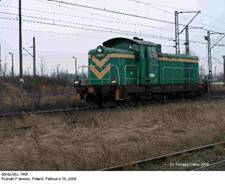
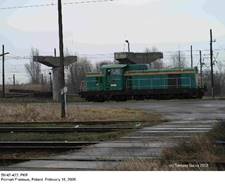
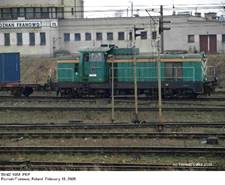
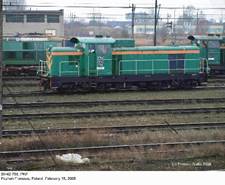
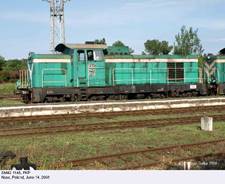
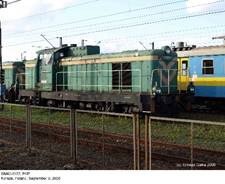
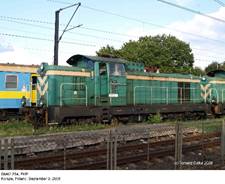
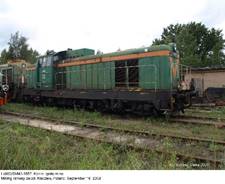
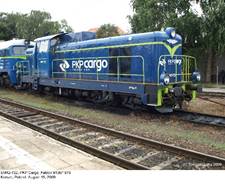
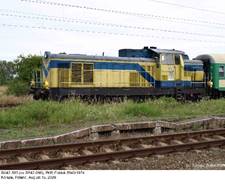
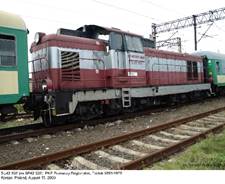
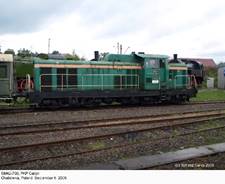
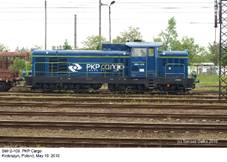
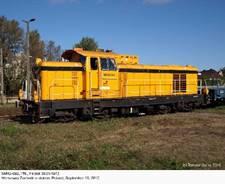
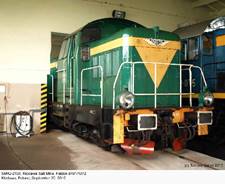
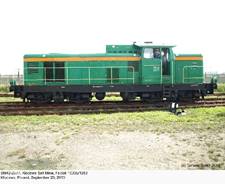
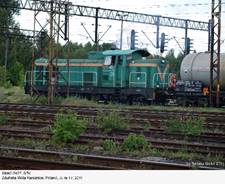
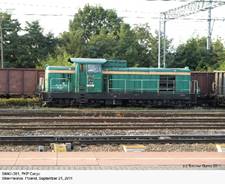
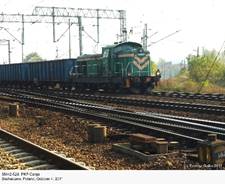
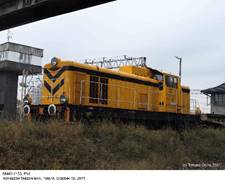
SM42, SP42 and SU42
|
|||||||||||||||||||||||||||||||||||||||||||||||||||||||||||||||||||||||||||||||||||||||||||||||||||||||||||||||||||||||||||||||||||||||||||||||||||||||||||||||||||||||||||||||||||||||||||||||||||||||||||||||||||||||||||||||||||||||||||||||||||||||||||||
|
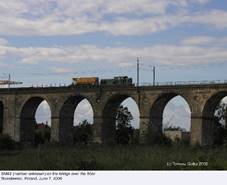
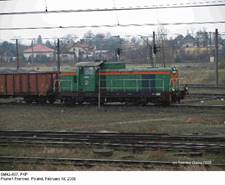
Something slightly ‘different’ to begin with: SM42 (number unknown) on
the longest stone railway bridge in
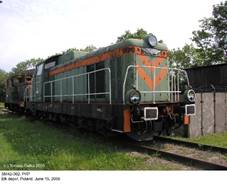
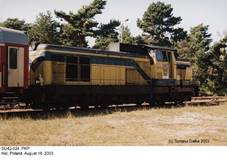
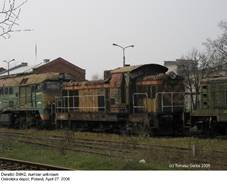
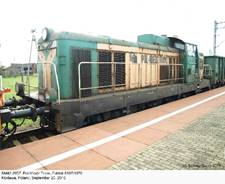
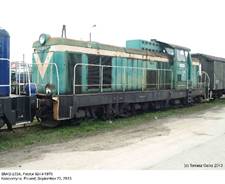
Slightly derelict SM42-002,
photographed at the Ełk depot on
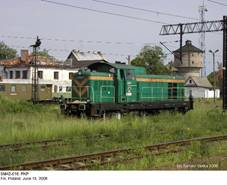
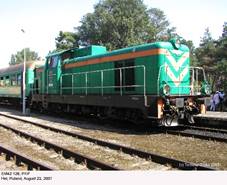
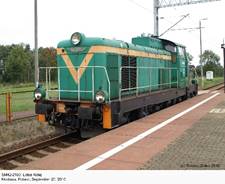
Another picture taken in Ełk on the same day: SM42-016.
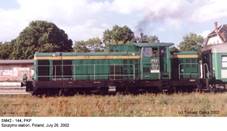
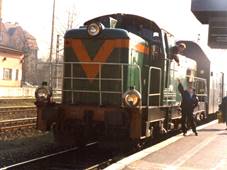
SM42-144 leaves the Szczytno station with a
passenger train on
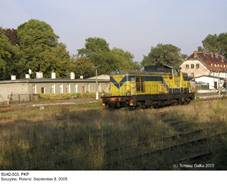
Another picture from Szczytno: SU42-503,
photographed on
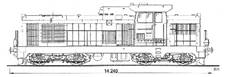
SM42 side view; drawing by M. Ćwikła from SK vol. 5/2002.
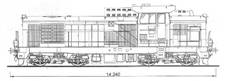
‘New’ SU42 side view; drawing by M. Ćwikła from SK vol. 10/2001.
In early 2004, over 80 SM42s
operated by PKP were based in
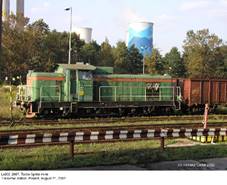
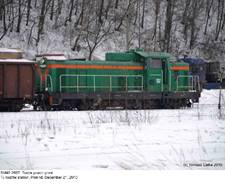
This Ls800-2667, photographed at the
Turoszów station on
Another picture of this locomotive (but re-designated SM42-2667), taken at the same location on December 21, 2010.
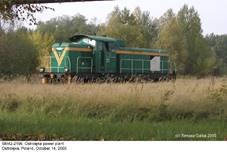
Another example from a power plant,
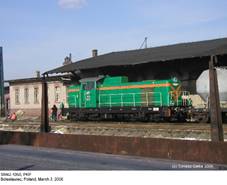
this time SM42-2196 from Ostrołęka;
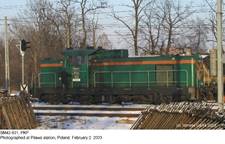
SM42-831, Pilawa,
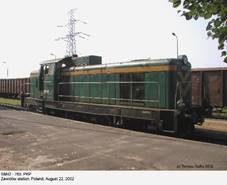
SM42-765 at the Zawidów station,
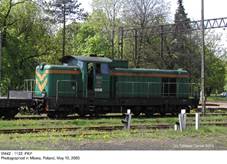
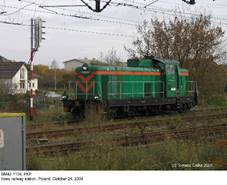
SM42-1122, Mława,
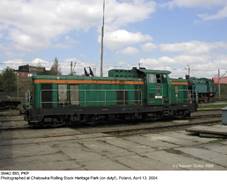
This SM42-893, photographed at the
Chabówka loco heritage park, is not
a heritage loco! Photo taken on
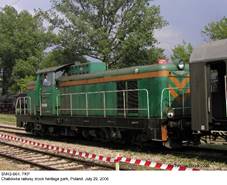
During the 2006 steam locomotive show
at the Chabówka depot, SM42-664 provided necessary assistance;
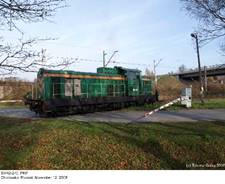
Another SM42 on duty in Chabówka: SM42-270, photographed on November 12, 2008.
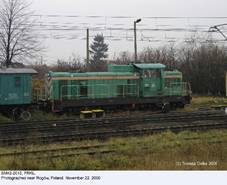
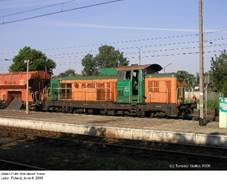
SM42-2015, used by PRKiL track maintenance company;
Rogów,
SM42-1109, Iłowo,
SM42-950, Milówka,
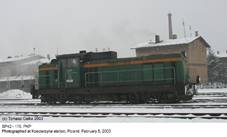
SP42-175,
Kościerzyna,
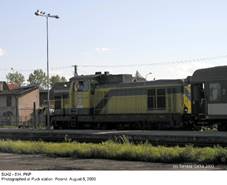
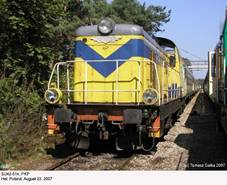
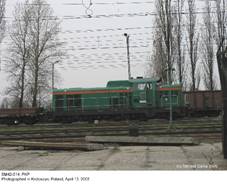
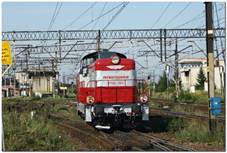
SU42-514, Puck,
SU42-524, Hel,
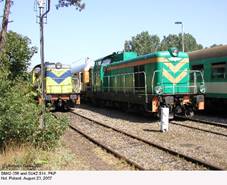
Due to deteriorating track condition, only light diesel locomotives are allowed to enter the Hel promontory. SM42-126...
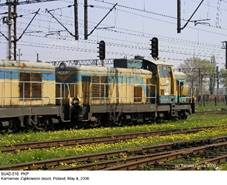
...SM42-356 with SU42-514...
...and SU42-514 alone were
photographed at the Hel station on
SM42-514, photographed at the
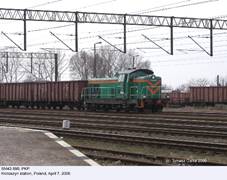
Krotoszyn station on
...SM42-890, photographed at the same
location on
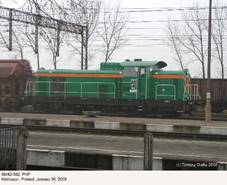
...and SM42-862, the same location,
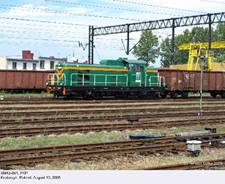
Krotoszyn once again: SM42-861, August 13, 2008.
SM42-1050,
Bolesławiec,
Derelict SM42 (number unknown),
photographed at the Ostrołęka depot on
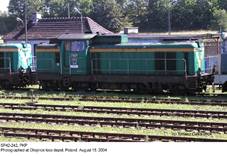
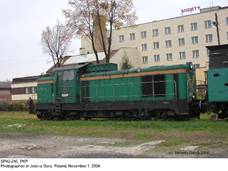
SP42-242, Chojnice,
SM42-336, photographed in Wolsztyn
during the Steam Locomotive Gala on
SM42-336 performed the same duties during the 2008 show; photo taken on May 2.
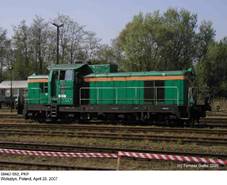
During the 2007 parade on April 28, SM42-650 was used for switching.
Another picture of the SM42-650, taken
near the Poznań Franowo depot on
...and more photos taken on the same occasion: SM42-423...
...SM42-1068...
...SM42-758...
...and SM42-857.
Another picture from this location:
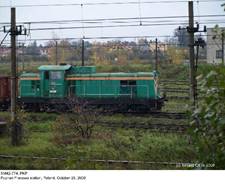
SM42-1096,
…and yet another: SM42-774, October 28, 2008.
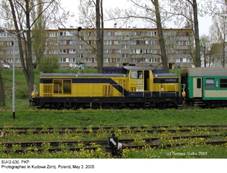
SU42-530, Kudowa
Zdrój,
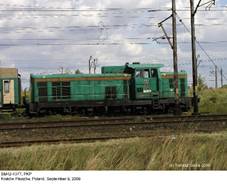
SM42-1077, Kraków
Płaszów,
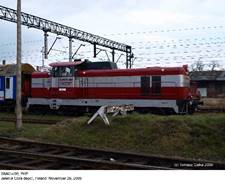
SP42-245, photographed at the Jelenia
Góra depot on
Three more pictures from this location, taken on November 29, 2008: SP42-001…
… SP42-235 in rather poor condition…
…and SM42-499, displaying new PKP Przewozy Regionalne livery.
New PKP Przewozy Regionalne livery is also demonstrated by this SM42-304, photographed in Tarnowskie Góry on September 1, 2008. Photo by Ryszard Rusak (thanks for permission!).
SM42-2149 from the Pol-Miedź Trans fleet, Lubin Górniczy,
SU42-516, Jaworzyna
Śląska station, August 4, 2004...
…and the same example, photographed at
the Kamieniec Ząbkowicki depot on
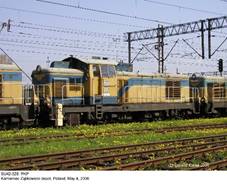
...together with SU42-528...
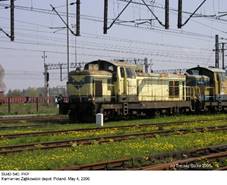
...and SU42-540.
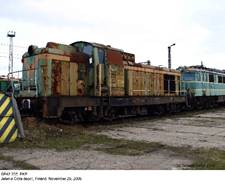
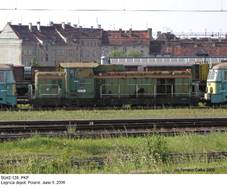
Derelict SU42-128,
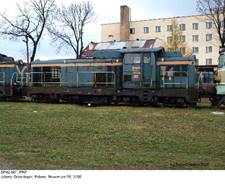
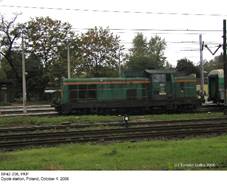
SP42-208,
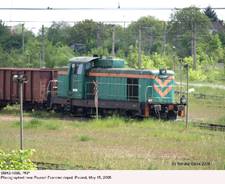
SM42-1038,
SM42-847, photographed at the
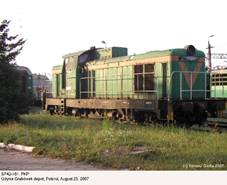
SM42-735, Ełk depot,
Two locomotives photographed at the
Gdynia Grabówek depot on
...and SP42-161, the latter probably withdrawn.
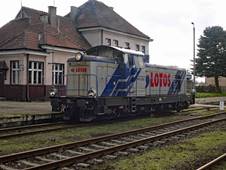
SM42-2355 (Fablok 9530/1976), Lotos Kolej, photographed by someone who wishes to be known as Yusek on November 13, 2010, location unknown. This locomotive was later rebuilt and re-numbered 6Dg-148. Source: www.commons.wikimedia.org). Several pictures of SM42s, SP42s and SU42s from my collection can be found here.
SM42-2251 from the Maczki Bór sand
mine, photographed in Czempiń on
Two SM42s photographed at the Nysa
station on
...and SM42-1146.
Two SM42s, photographed in Korsze on September 9, 2008: SM42-1122...
…and SM42-254.
This engine belongs to the Konin lignite mine; note dual designation (Ls800/SM42-1657). Photo taken at the Kleczew depot on September 16, 2008.
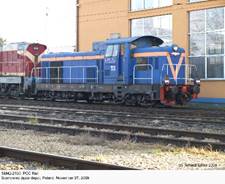
SM42-2130 from the PCC Rail fleet, photographed at the Sosnowiec Jęzor depot on November 27, 2009.
SM42-1026, Racibórz station, April 27, 2009.
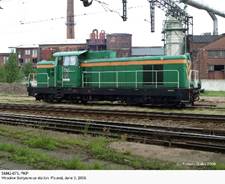
SM42-073, Wrocław
Sołtysowice, June 3, 2009.
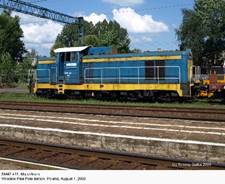
Back in Wrocław: SM42-411 from Majkoltrans company, photographed at the Psie Pole station on August 7, 2009.
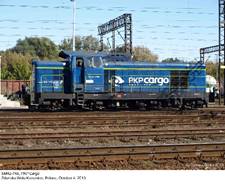
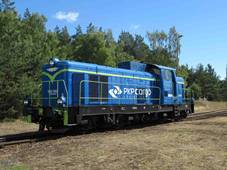
Korsze again, August 15, 2009: SM42-722 in new PKP Cargo livery…
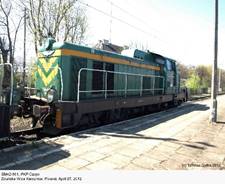
…together with two SU42s: SU42-503…
…and SU42-526, the latter displaying new PKP Przewozy Regionalne livery.
Chabówka again: SM42-750 was the ‘service loco’ during ‘Parowozjada 2009’. Photo taken on September 6, 2009.
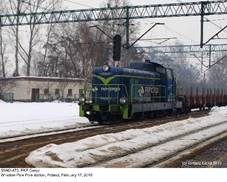
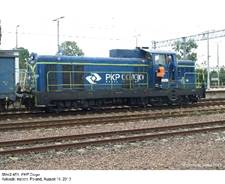
SM42-473, PKP Cargo, approaches the Wrocław Psie Pole station; February 17, 2010.
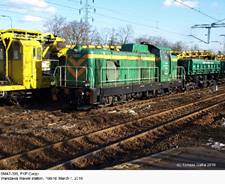
SM42-385, PKP Cargo, photographed with a track maintenance draft at the Warszawa Wawer station on March 4, 2010.
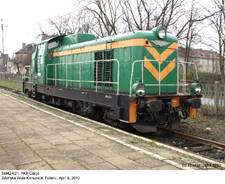
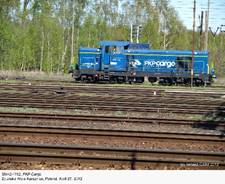
SM42-621, photographed in Zduńska Wola Karsznice on April 6, 2010.
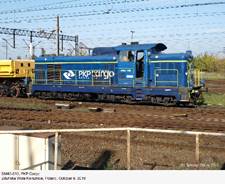
Another picture from this location: SM42-510, October 6, 2010.
SM42-459, PKP Cargo, Krotoszyn station, May 19, 2010.
This SM42-592 (Fablok 8631/1973) is used by the PNI track maintenance company; photo taken near the Warszawa Zachodnia station on September 19, 2010.
Two SM42s used by Kłodawa Salt Mine: SM42-2135 (Fablok 8401/1972)…
…and SM42-2577 (Fablok 10335/1983). Both pictures taken during our visit with Chris West on September 20, 2010. Many thanks to everyone involved for the ride!
Two more SM42s, photographed at the Kłodawa station on the same day: SM42-2037, Pol-Miedź Trans (Fablok 8107/1970)…
…and SM42-2190 from the Lotos Kolej fleet, but still in old PKP-type livery. More pictures of SM42s from this company can be found here.
Another Pol-Miedź Trans locomotive: SM42-2162, photographed in Bolesławiec on October 6, 2010.
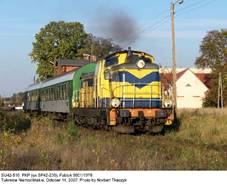
Two pictures by Norbert Tkaczyk (thanks for permission): SU42-516 (ex SP42-236, Fablok 9901/1978), Tułowice Niemodlińskie, October 14, 2007…
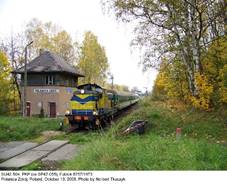
…and SU42-504 (ex SP42-055, Fablok 8757/1973), Polanica Zdrój, October 19, 2008. SU42s have already been replaced with railcars in this region.
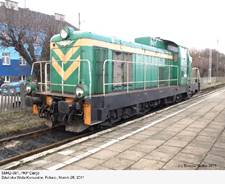
Two SM42s from the PKP Cargo fleet, photographed in Zduńska Wola Karsznice on March 26, 2011: SM42-381 (Fablok 8121/1971)…
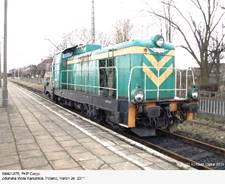
…and SM42-875 (Fablok 9557/1976).
This SM42-2292 is owned by PRK Kraków track maintenance company; photo taken at the Lubin Górniczy station on May 13, 2011.
Zduńska Wola Karsznice again: STK-owned SM42-2427 with a draft of tank cars. June 17, 2011.
SM42-381, PKP Cargo, Skierniewice, September 21, 2011.
SM42-528, PKP Cargo, maneuvering at the Sochaczew station; October 4, 2011.
This SM42-1153 is operated by PNI track maintenance company; Tomaszów Mazowiecki, October 19, 2011.
This storage track used to be occupied by ET42s: SM42-1156, photographed in Zduńska Wola Karsznice on December 21, 2011.
Another visit to the same location: a SM42-2467, operated by Hagans Logistics and advertising the Cargomaster software package. February 29, 2012.
Two locomotives from the DB Schenker Rail Polska fleet: SM42-2032…
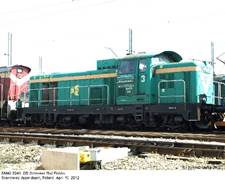
…and SM42-2249, both photographed at the Sosnowiec Jęzor depot on April 10, 2012.
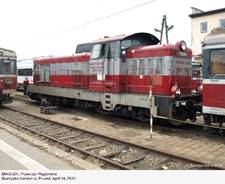
This SM42-204 is operated by Przewozy Regionalne; photo taken at the Skarżysko Kamienna station on April 14, 2012.
Back to Zduńska Wola
Karsznice: SM42-100, April 25, 2012...
...SM42-861, two days later...
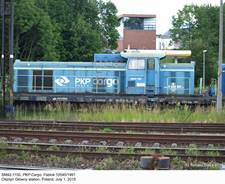
…and SM42-1112, photographed on the same day; all are operated by PKP Cargo.
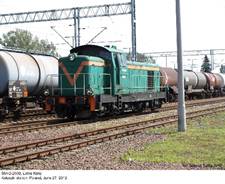
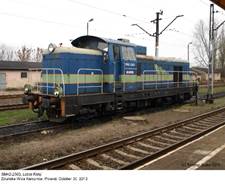
SM42-2600, Lotos
Kolej, Koluszki station, June 27, 2012.
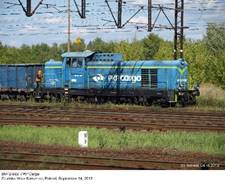
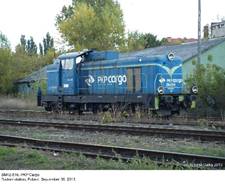
Another picture from this location: SM42-741, PKP Cargo, July 25, 2012.
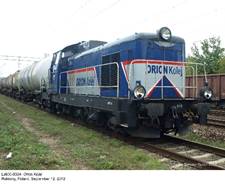
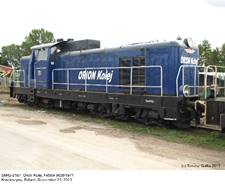
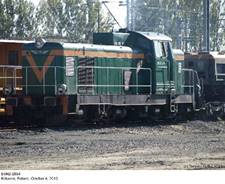
Ls800-9364, Orion Kolej, photographed in Rokiciny on September 12, 2012.
SM42-2167 from the same operator, photographed a few hours later in Długołęka.
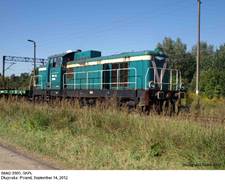
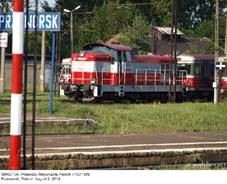
Another private operator: SM42-2500, SKPL, photographed at the same location two days later.
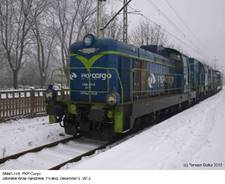
Four SM42s from the PKP Cargo fleet, photographed in Zduńska Wola Karsznice: SM42-692, September 14, 2012…
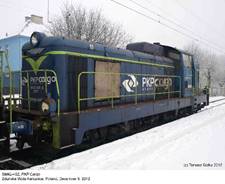
…SM42-149, December 9, 2012…
…SM42-452, photographed on the same day…
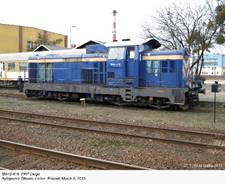
…and SM42-911, photographed on March 1, 2013.
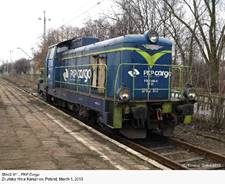
SM42-419, Bydgoszcz
Główna station, March 9, 2013.
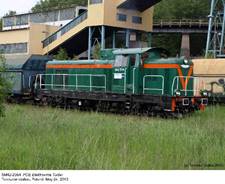
This SM42-2384 is operated by PGE Elektrownia Turów power plant and was photographed at the Turoszów station on May 24, 2013.
SM42-935, PKP Cargo, was photographed in Zduńska Wola Karsznice on the next day.
SM42-093, photographed exactly at the same location on June 7, 2013.
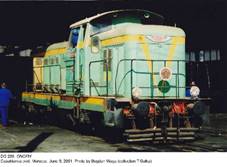
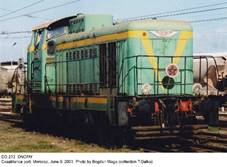
Three pictures of Moroccan DG200s, taken by Bogdan Waga in Casablanca on June 9, 2001 (from my collection): DG 209...
…DG 213…
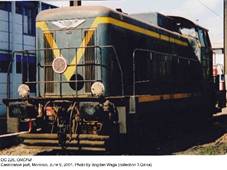
…and DG 226.
SM42-451, Koluszki, August 19, 2013.
SM42-816, photographed at the Radom station on September 30, 2013.
SM42-2167 operated by Orion Kolej. Photo taken at the Kościerzyna station on September 23, 2013.
SM42-2334, photographed on the same occasion.
SM42-746, Zduńska
Wola Karsznice, October 4, 2013.
The same location: SM42-2563, October 30, 2013.
SM42-2564, probably owned by PHU Lokomotiv and leased to a track maintenance company. Koluszki station, October 4, 2013.
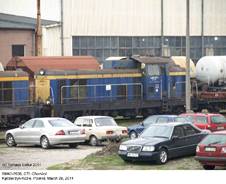
SM42-2636, CTL Chemkol, Kędzierzyn-Koźle, March
28, 2014.
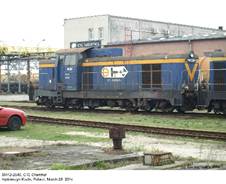
SM42-2640: the same operator, location and date.
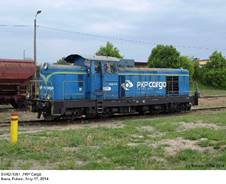
SM42-1081 from the PKP Cargo fleet; Iława, May 17, 2014.
SM42-1059, photographed on the same occasion.
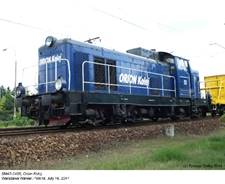
SM42-2455, Orion Kolej (previously operated by Lotos Kolej) with a draft of track maintenance vehicles; Warszawa Wawer, July 16, 2014.
SM42-156 from the Przewozy Regionalne fleet, photographed in Przeworsk on August 2, 2014.
SM42-431, PKP Cargo, Zduńska Wola Karsznice,
April 21, 2014.
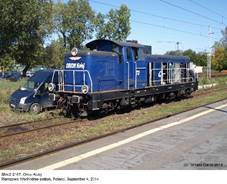
SM42-2167, Orion Kolej, Warszawa Zachodnia
station, September 4, 2014.
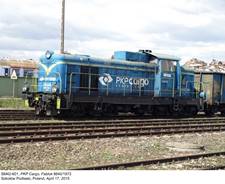
SM42-601, PKP Cargo, photographed in Sokołów Podlaski on April 17, 2015.
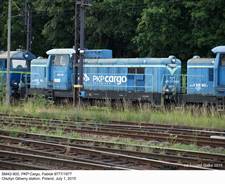
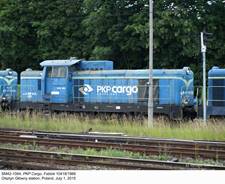
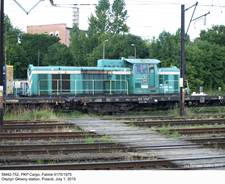
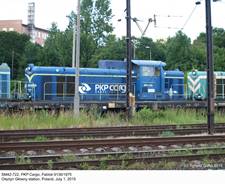
Six SM42s from the PKP Cargo fleet, photographed in Olsztyn on July 1, 2015: SM42-900…
…SM42-1084…
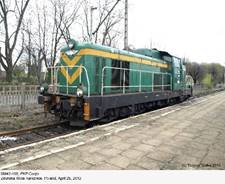
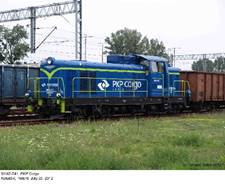
…SM42-144…
…SM42-1150…
…SM42-752…
…and SM42-722.
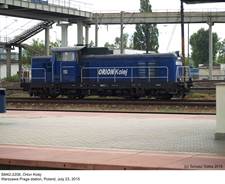
SM42-2208, Orion Kolej (bought from Lotos Kolej), Warszawa Praga station,
July 23, 2015.
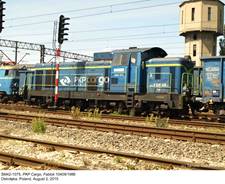
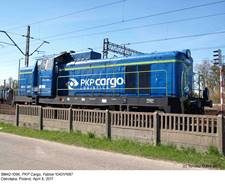
SM42-1075, PKP Cargo (Fablok 10409/1986), photographed in Ostrołęka on August 2, 2015.
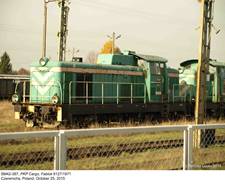
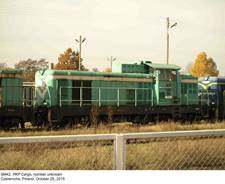
Five SM42s, photographed in Czeremcha on October 25, 2015: SM42-387…
…an unidentified example…
…SM42-633…
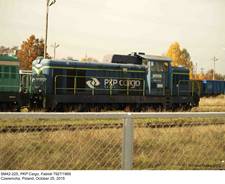
…SM42-225…
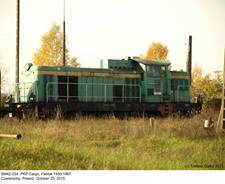
…and SM42-034. All are from the PKP Cargo fleet.
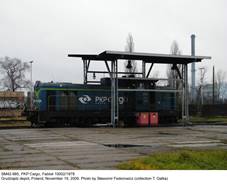
SM42-985, PKP Cargo, Grudziądz depot, November 19, 2009. Photo by Sławomir Fedorowicz (from my collection).
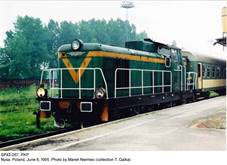
SP42-267, photographed in Nysa on June 8, 1995. Photo by Marek Niemiec (from my collection).
SM42-434, PKP Cargo (Fablok 8268/1971), possibly withdrawn; Czeremcha depot, July 31, 2016.
SP42-267, photographed at the Opole Główne station on March 26, 1998. Photo by Mariusz Plewka (used by permission).
SM42-935 (Fablok
9824/1977), Sokołów Podlaski, March 31, 2017.
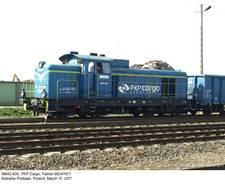
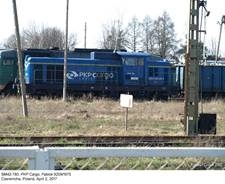
SM42-780, photographed at the Czeremcha depot on April 2, 2017.
SM42-1096, Ostrołęka, six days later.
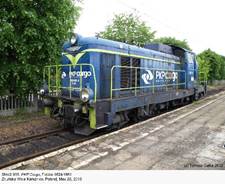
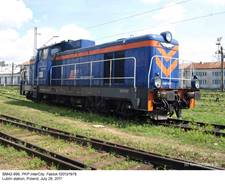
SM42-996, PKP InterCity, Lublin station, July 29, 2017.
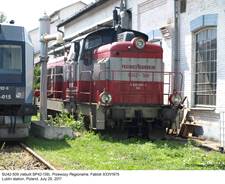
SU42-509 (rebuilt SP42-139), Przewozy Regionalne, the same location and date.
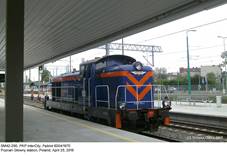
SM42-290 is used as a switcher by PKP InterCity; photo taken at the Poznań Główny station on April 25, 2018.
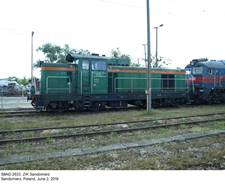
SM42-2633 (Fablok 10492/1989), operated by Sandomierz-based ZIK company and photographed on their premises on June 2, 2019. This locomotive was originally delivered to Jarosław glass-works.
Another picture of the SM42-2633 (new livery); the same location, February 23, 2025.
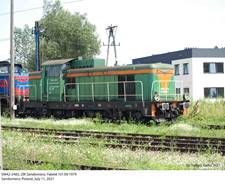
Another ZIK locomotive, photographed at the same location on July 11, 2021: SM42-2483 (Fablok 10139/1979), also originally delivered to Jarosław glass-works.
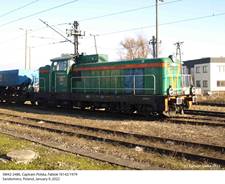
Sandomierz again: SM42-2486 from the Captrain Polska fleet (Fablok 10142/1979), January 9, 2022.
SM42-1040 (Fablok 10167/1979), PKP Cargo, Świnoujście Przytór, July 1, 2018. Photo by someone who wants to be known as koefbac (source: www.commons.wikimedia.org).
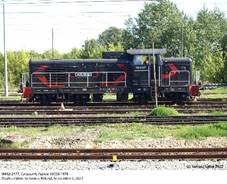
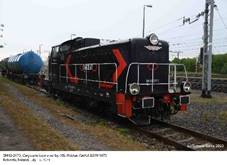
SM42-2477 (Fablok 10038/1978) from the Cargounit fleet, photographed in Zduńska Wola Karsznice on September 6, 2022.
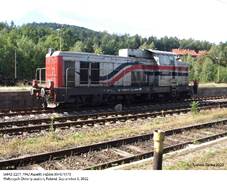
Two pictures taken at the Wałbrzych Główny station on September 9, 2022: SM42-2207 (Fablok 8648/1973)…
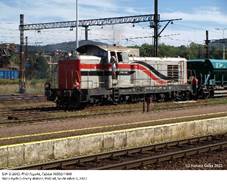
… and SM42-2643 (Fablok 10502/1990); both are owned by PHU Aspekt private company.
Derelict SM42-8520 (ex SM42-2152, Fablok 8520/1972), owned by Kol-System and originally built for Kościuszko foundry of Chorzów. Sosnowiec Jęzor, September 15, 2022.
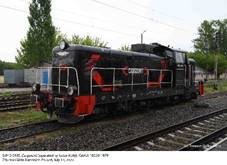
SM42-2495 (Fablok 10230/1979), owned by Cargounit and operated by Lotos Kolej. Zduńska Wola Karsznice, July 13, 2023.
Two pictures taken in Koluszki on the same day: SM42-2173 (Fablok 8569/1972), HSL Polska (leased from Cargounit)…
… and SM42-2189, CTL Logistics (Fablok 8596/1973). S SM42-2189 once again, this time at the Warszawa Praga station on April 18, 2024.
The same operator and the same location: SM42-2079 (Fablok 8277/1971), July 11, 2024.
Five locomotives from the Przewozy Regionalne fleet, photographed at the Krzyż depot on June 22, 2024: SM42-304 (Fablok 8018/1970)…
… SU42-504 (rebuilt SP42-055, Fablok 8757/1973)…
… SU42-506 (rebuilt SP42-225, Fablok 9890/1978)…
… SU42-522 (rebuilt SP42-180, Fablok 9372/1976)…
… and SU42-501 (rebuilt SP42-085, Fablok 8927/1974). The last one is currently operated by Polregio; all other are awaiting scrapping.
SM42-1085, PKP Cargo (Fablok
10419/1986), Pilawa, August 1, 2024.
The same locomotive and the same location: March 26, 2025.
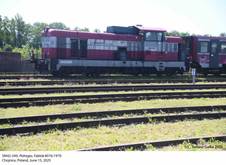
SM42-349 (Fablok 8076/1970), operated by Polregio, photographed at the Chojnice depot on June 15, 2025.
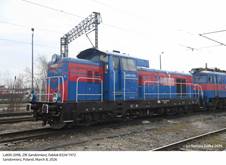
Ls800-2098 (Fablok 8324/1972), operated by ZIK Sandomierz, photographed at the company’s premises on March 8, 2026. |
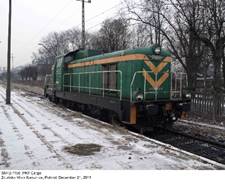
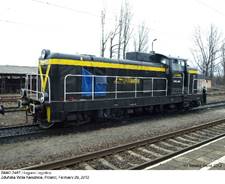
SM42 medium switcher was developed with an intention
to replace a motley collection of obsolete and worn-out steam engines used
for switching and with light local freight trains. Such locomotive was
necessary for both PKP and industrial operators, for whom 300 hp SM30 was too weak. Design was submitted by the CBK
PTK (Central Design Bureau of the Railway Stock Industry) of Poznań in 1962 and production was entrusted to Fablok of Chrzanów. New
machine was fitted with the indigenous a8C22 medium-speed turbocharged eight-cylinder
diesel, developed by HCP; up-rated version of this prime mover was
later successfully used in the SM31 heavy switcher, but its 12-cylinder
variant, intended for the SP45 passenger locomotive, proved a failure and was
finally abandoned. Alternative and more advanced high-rpm CD19 diesel engine,
although built as a prototype and successfully tested, was not proceeded
with. Almost in parallel, attempts to produce a medium
switcher with hydraulic transmission were pursued, on the basis of Soviet TGM3,
which was license-built at Fablok as type 12D or Ls750H with imported diesel engines
and torque converters (PKP class
SM15). This locomotive, however, proved very unreliable and only 57 examples
were built. Their service life was extremely short and SM42 was left on the
field. New locomotive (factory designation 6D) owed
something to earlier SM30, as well as to SM40/SM41 supplied by Hungarian Ganz-MAVAG,
and certainly drew on service experience acquired with them, but was an
entirely new design. Prototype (s/n 6276/1964) was rolled out in June 1964
and underwent extensive tests, so it was not accepted by PKP before
1967 and actually was preceded in service by SM42-002 and SM42-003, delivered
in March 1965. If not particularly advanced, SM42 proved a sound and
successful design. Production for PKP
lasted until 1981; it was re-commenced four years later and continued, on a
small scale, until 1993. Deliveries for industrial operators went on in
parallel. SM42 thus enjoyed the longest production run of any Polish
locomotive, comparable only to that of license-built EU07 (and surpassed only
by class EN57 EMU). Commonly nicknamed ‘Stonka’ –
literally ‘potato beetle’ – it can be encountered virtually everywhere where
standard-gauge track has reached. According to some sources, small-scale
production for industrial operators continued after 1993. Given such long
period, modernizations were rather few, the most important being modified
LSf-430 electric engines in place of earlier LSa-430 and improved lighter
trucks from SM42-521 onwards. Later variants, built from 1987 onwards, were
designated type 6Da and differed mainly in slightly modified suspension.
Total output amounted to 1856 examples, of which 1153 went to PKP. Besides, state railways obtained five
more SM42s: three from industry (SM42-1061, -1062 and -1063) and two
converted from withdrawn SP42s (service numbers 011 and 012, both assigned
for the second time). Thirty-seven (factory type 6D/M) were sold to
Morocco in 1973. Classed DG-200 by ONCFM
(Office National de Chemins de Fer du Maroc), they differ
in minor details – mainly aimed at ‘sand-proofing’ – and are used only as
switchers. In 1982, six similar engines (factory type 6D/I) were built for
Polish construction company Dromex for use
in Iraq. The rest went to various industrial operators; three of them were
later sold to PKP and re-numbered SM42-1061 through -1063. In general,
industrial operators designated these locomotives SM42 plus service number
(above 2000, to distinguish from those used by PKP) or Ls800. SM42s were also used with local passenger trains,
but lack of car heating equipment limited their suitability to warm seasons.
In early 1970s an idea of low-voltage (500 V) car heating, with feeding from
main generator, was conceived and suitable modifications were introduced in
39 (some sources give 40) SM42s between 1975 and 1977. They were re-classed
SU42, but service numbers were retained. As with the SM30/SP30 conversion,
this concept did not prove entirely successful. At low speeds, which were
typical on local lines for which these locomotives were intended, generator
yielded only 200 to 400 V and heating was very inefficient. Moreover, there
were few cars fitted with low-voltage heating. SU42s remained in passenger
service until mid-1980s, later to be used as plain switchers; 26 of them
survived until 2000, to be re-classed SM42 with heating equipment removed
(three were converted back to SM42s earlier and ten were written off between
1997 and 1999). Class designation SU42 was formally cancelled on June 1,
2000. SU42 was in fact preceded in service by a dedicated
and more extensively re-designed passenger version. In early 1970, SP42
(factory type 101D) appeared, fitted with WB5 oil-fired heating boiler.
Acceptance tests were completed by December. As there were comparatively many
steam-heated passenger cars in PKP service, this locomotive found a
widespread use and 268 examples were built by Fablok
until 1978. SP42 was by some 2.7 tonnes lighter than
the original variant; although heating boiler added some extra weight, about
three tonnes of cast-iron ballast were removed and
new, lighter LN1 bogies were fitted. Externally it is easily distinguished by
a streamlined stack fairing aft of the driver’s cab. In 1993 two SP42s were
converted to the SM42 standard and became SM42-011 and SM42-012, these
numbers being allocated for the second time. A number of surplus SP42s were
withdrawn in late 1990s; on January 1, 1999, PKP had 190 examples, probably not all serviceable. Forty were
rebuilt between November 1999 and August 2000; they were fitted with electric
heating systems, but this time comprising a 180 kW Caterpillar CAT3208
diesel and 3000V AC generator, which makes them compatible with typical passenger
cars used by PKP. These locomotives were re-designated SU42 but, in
order to avoid confusion with earlier class, were assigned service numbers
from 501 onwards. ‘New’ SU42s could initially be distinguished by yellow-blue
livery, different from that of other locomotives from this family, which were
typically painted green, at least at that time; in 2009 new PKP Przewozy Regionalne livery
was introduced. Most unrebuilt SP42s have already
been written off or are used as plain switchers with their boilers removed.
Last examples with steam heating systems were expected to remain in service
until circa 2007. According to KMD, in November 2007 PKP had
only three SP42s in normal service (SP42-007, -011 and -172), based at the Skarżysko depot, plus two more (SP42-071 and -247) used
as switchers – most probably the latter have retained their heating boilers.
Last scheduled service of a SP42 with the steam heating installation in use
took place on September 27, 2008, when SP42-007 hauled a special train for
railway fans: steam boiler broke down during the ride. SU42 is not considered
entirely satisfactory and, following the appearance of much more economical
railcars, many locomotives of this type have been withdrawn from use,
although only two were written off after a head-on collission
in July 2010. In 2012 only 21 were operational, but many were used only as
plain switchers. SM42 is still the most numerous diesel locomotive
type in Poland. On January 1, 1999, PKP
had (according to SK) 1008 SM42s,
plus 31 SU42s. Rosters given in AL
list 974 SM42s in the PKP service
in early 2004, plus 119 SP42s and 40 SU42s. Among private operators, the
largest fleets at that time were those of CTL
Rail (27), Lotos Kolej (22)
and Pol-Miedź
Trans (18). Although SM42 has turned out to be a reliable
machine, well suited for its intended tasks, it can no longer be judged
modern. PKP activities concerning modernization of this important and
numerous class have for a long time been rather modest. In 1996 one machine
(SM42-039, type 6Dc – no information on type 6Db) was fitted with MTU 12V396TC12 diesel engine, rated at
950 hp, ac generator and state-of-the-art controls;
there were also numerous minor improvements. Re-numbered SM42-2000, this
successful conversion remained a single example; initially based in Warsaw,
it was transferred to Gdynia in 1999 and withdrawn in October 2010. PTKiGK Rybnik, who had a considerable fleet
of these engines, implemented a more advanced program: resulting conversion,
designated Ls1000 (factory type 6Dd), is described under a separate entry.
Two examples were modernized by Newag in
2007 and fitted with 750 hp Caterpillar C27
diesel engines. Both were supplied to a metallurgical plant. Fablok offered
also a special conversion for pig iron transport at foundries. This variant,
with factory designation 6Da/R, had provisions for remote control (up to 4
km/h) and could be fitted with additional ‘armor’ of 1.5-mm thick steel
plates. As far as I know, only one example has been delivered. Both 6Da and
6Da/R remained in the Fablok
offer until the company was declared bankrupt and closed down in May 2013. Type designations 6De and 6Df refer to a small
number of SM42s modernized by ZNTK Poznań repair works in late 1990s and early 2000s.
Seven examples of the former type were fitted with remote control systems and
delivered to Częstochowa
steelworks. On type 6Df no reliable information is available; possibly this
design was not proceeded with. In 2007, Newag
presented an extensively redesigned variant, with factory designation type
6Dg, which is in fact a new locomotive and is described under a separate
entry. The same refers to type 6Dk (developed by PESA), with two 550 hp Caterpillar C15 diesels, which appeared in
2009. In late 2013 PKP InterCity
ordered extensive modernization of twenty SM42s, to be completed by Newag. Of
these, ten (factory type 18D) were to be fitted with Caterpillar C18 diesel engines, rated at 765 hp,
and energy accumulators that allow for short-range ride with the prime mover
off. Other ten (factory type 6Dl) were to be fitted with two diesel engines
and provision for electric power supply to coaches (they were intended for
local passenger traffic). First 18D, designated SM42-3001 and rebuilt from
SM42-396, was delivered in June 2014 and the entire contract was completed
until November. First 6Dk – rebuilt SM42-576 – was outshopped
in August 2014 and the last one in May 2015. These locomotives were given
service numbers SU42-1001 through 1010. Both these conversions are described
under separate entries. Between 2013 and 2014 at least seven SU42s were
purchased and overhauled by Newag. They were given untypical service numbers:
SM42-700/17 (previous number unknown), SM42-700/34 (SU42-519), SM42-700/35
(SU42-516), SM42-700/36, SM42-700/37 (previous numbers unknown), SM42-700/38
(SU42-528) and SM42-700-39 (SU42-520). The origin of these designations
remains unknown. Some of them were temporarily leased to PKP InterCity, but were sporting Newag logos. SM42-700/38 was
reportedly sold to a Lithuanian company in 2015. Perhaps the most unusual conversion of SM42 was
EPA42, of which little is known. The idea was to obtain a battery-storage
locomotive for use with service and rescue trains in areas where exhaust gas
emission was unacceptable. Diesel engine was removed, as were two of four
traction electric motors. Energy was supplied from a battery of 320 cells.
EPA42 is in fact an electric locomotive and is described under a separate
entry. This conversion was considered unsuccessful, with the sole EPA42-001
being written off in October 1996 and scrapped a few years later. Another
‘electric’ episode in the history of SM42 took place much later, in 2010,
when SM42-2243 (formerly owned by Huta
Katowice steelworks) was fitted with two current collectors and remote
control devices. This locomotive is used for works transport and operates on
‘normal’ 3 kV DC. Although SM42 is one of the most popular Polish locomotives, still in use in large numbers, a few have already been preserved. SM42-002 is kept at the Ełk depot, although in a condition far from satisfactory. SM42-2339 (Fablok 9247/1976, service designation ‘21’), was plinthed at the Kolprem premises in Dąbrowa Górnicza, although fitted with Diamond-type trucks from freight cars (!). In early 2012 SP42-001 was transferred to the KSK Wrocław railway fan society and is now undergoing external refurbishment. Main
technical data – SM42
1)
Including 1152 for PKP. 2)
In SM42-39 (re-numbered SM42-2000) MTU 12V396TC12 rated at 700 kW / 950
KM 3)
LSa-430 in earlier examples. Main
technical data – SP42
1)
Some sources give 69 300 kg. 2)
Some sources give 577 kW / 785 KM. 3)
Some sources give 269. Main technical
data – SU42
1)
Converted from SM42s with service numbers retained;
re-classed SM42 in 2000. 2)
Converted from SP42s with new service numbers from
501 onwards. References
and acknowledgments
-
Article
by Paweł Terczyński on passenger versions (SK vol. 2/2002); -
SK (various issues); -
LSPP, AL; -
Article
by Paweł Czech on SU42 withdrawal (KMD vol. 1-2/2013); -
www.fablok.com.pl. www.newag.com, www.bluefish.foxnet.pl. |
||||||||||||||||||||||||||||||||||||||||||||||||||||||||||||||||||||||||||||||||||||||||||||||||||||||||||||||||||||||||||||||||||||||||||||||||||||||||||||||||||||||||||||||||||||||||||||||||||||||||||||||||||||||||||||||||||||||||||||||||||||||||||||